
Enhanced Reporting Requirements (ERR): What Irish Employers Need to Know
Feb 20, 2026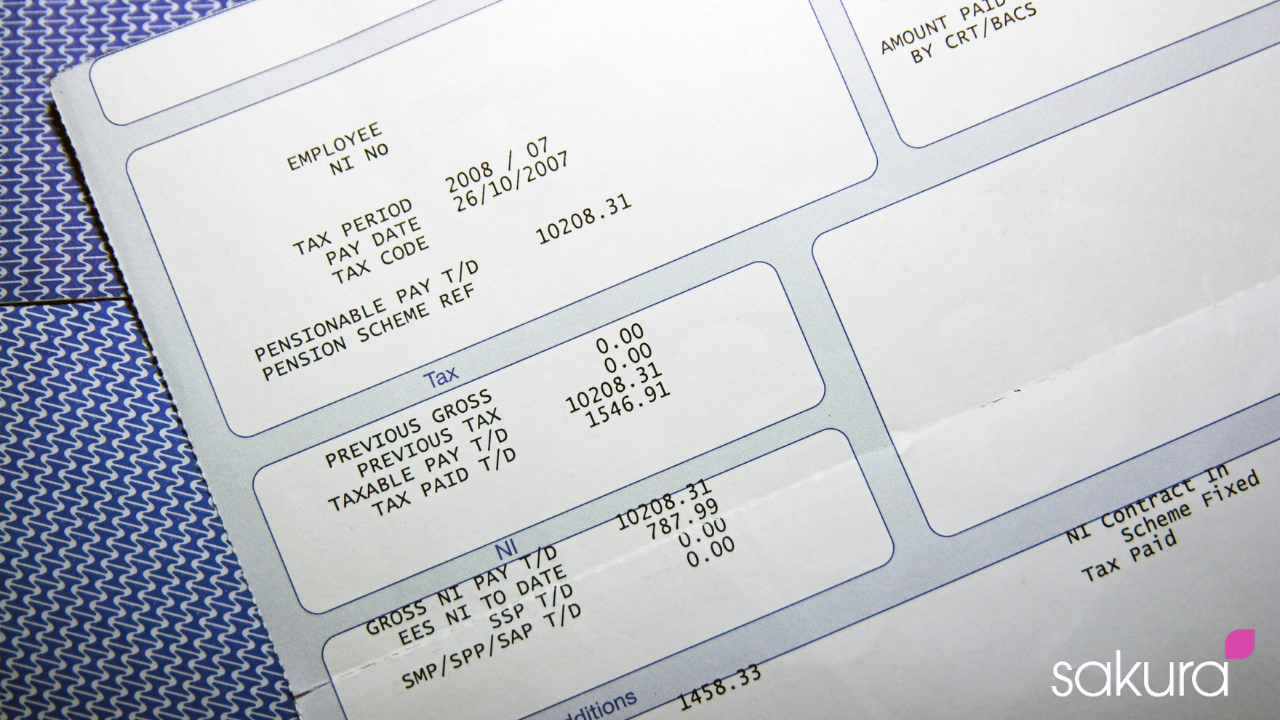
What is the ERR process?
Since 1 January 2024, employers have had an additional payroll obligation: the Enhanced Reporting Requirements (ERR). Alongside processing and submitting payroll as normal, employers must now separately collect, record and submit certain non-taxable expenses paid to or on behalf of employees, things like travel, subsistence, site allowances and staff gifts.
Taxable expenses and benefits still go through payroll as before, ERR is specifically about the non-taxable side. It's primarily an information-gathering exercise for Revenue, giving them visibility of tax-free expenses being paid, though it also helps ensure genuinely taxable benefits aren't being paid tax-free by mistake.
These details need to be collected and reported at the same time, and in the same way, as payroll, and tied to the actual payment date. That means employers now make two submissions to Revenue on every payroll processing date: the payroll submission as normal, and the ERR submission covering any tax-free expenses.
If an employer chooses not to pay or reimburse expenses to directors or employees at all, employees can instead submit a claim for business-related expenses directly to their local Revenue office.
What expenses need to be reported under ERR?
Travel and subsistence expenses
This covers all travel and subsistence paid to or on behalf of an employee, whether vouched (with receipts) or unvouched, and whether the person is a director or a general employee. Examples include flights, taxis, public transport, emergency travel, mileage and food costs, as well as standard day rates for site-based employees.
Small benefit expenses
These are tax-free benefits an employer can give employees, up to two per year and/or a total of €1,000 annually. Typical examples are an Easter egg, a Christmas gift, or a summer voucher. Give three in a year and the third automatically becomes taxable, requiring inclusion in payroll.
Remote working daily allowance
Employers can pay remote-based employees up to €3.20 a day tax-free, typically covering light, heat, phone and broadband costs.
What gets reported to Revenue, and when?
Any payment to an employee that isn't tax-free has always needed to go through payroll, and still does. What's new is that tax-free payments now need to go through the separate ERR process instead. Most payroll software has already been updated to handle this, and ERR-related payments will appear on the employee's payslip, without affecting PAYE, PRSI or USC for that pay period.
For each payment, employers need to report:
- The employee's name
- The amount of the payment
- The date of the payment
- For the remote working allowance specifically, the number of days covered, plus the payment date and amount
A separate ERR report is generated alongside your normal payroll reports after each Revenue submission.
Frequently asked questions
Do taxable expenses need to be reported under ERR?
No. Taxable expenses and benefits are processed through payroll as normal, ERR only covers non-taxable expenses.
What happens if an employer doesn't reimburse expenses at all?
Employees can submit a claim for their business-related expenses directly to their local Revenue office instead.
How many small benefits can I give an employee tax-free each year?
Up to two benefits per year, and up to €1,000 in total. A third benefit in the same year becomes taxable and must go through payroll.
Take the next step
If you'd like help getting your payroll and ERR reporting set up correctly, get in touch with Sakura.